The Circular Economy Explained: A Practical Guide for 2026
The circular economy is more than recycling — it’s a practical shift to design out waste, keep products and materials in use, and support regeneration. This guide is built for students, SMEs, and busy business readers: clear concepts, realistic steps, and clean visuals.
What is circular thinking?
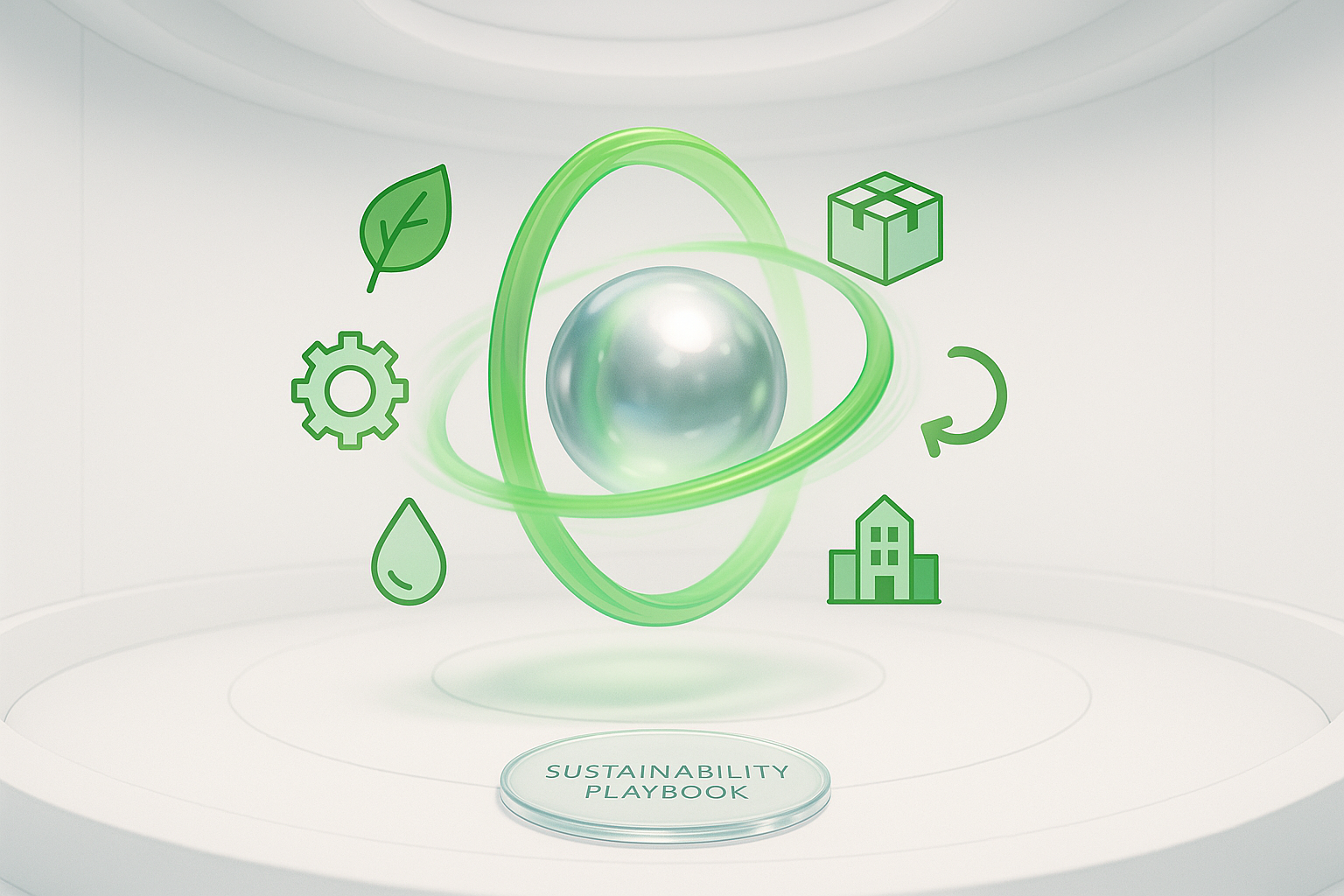
Linear systems follow a familiar path: take → make → dispose. Circular systems redesign that line into a loop where products are reused, repaired, and ultimately recycled into quality materials. The aim is simple: keep value circulating and reduce dependence on virgin inputs.
For learners, imagine a library: one book, many readers. For SMEs, think of reusable packaging or repairable devices: one asset, many cycles.
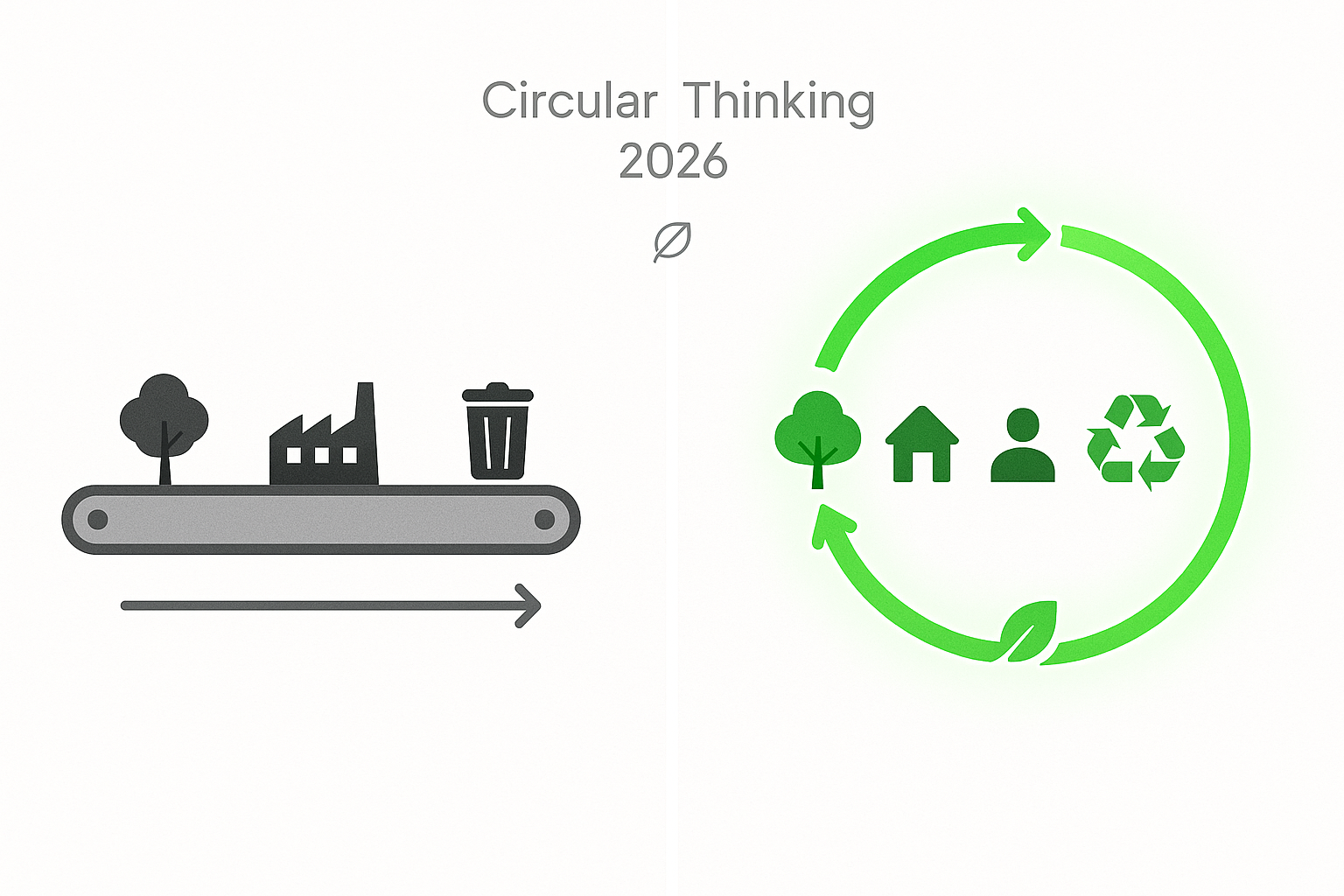
| Focus | Linear approach | Circular approach |
|---|---|---|
| Design | Single use, mixed materials | Durable, modular, recoverable |
| After use | Landfill or low-grade recovery | Reuse, repair, high-quality recycling |
| Customer role | Discard | Return, refill, repair |
| Business value | One-time sale | Service & relationship |
The five loops of circular design
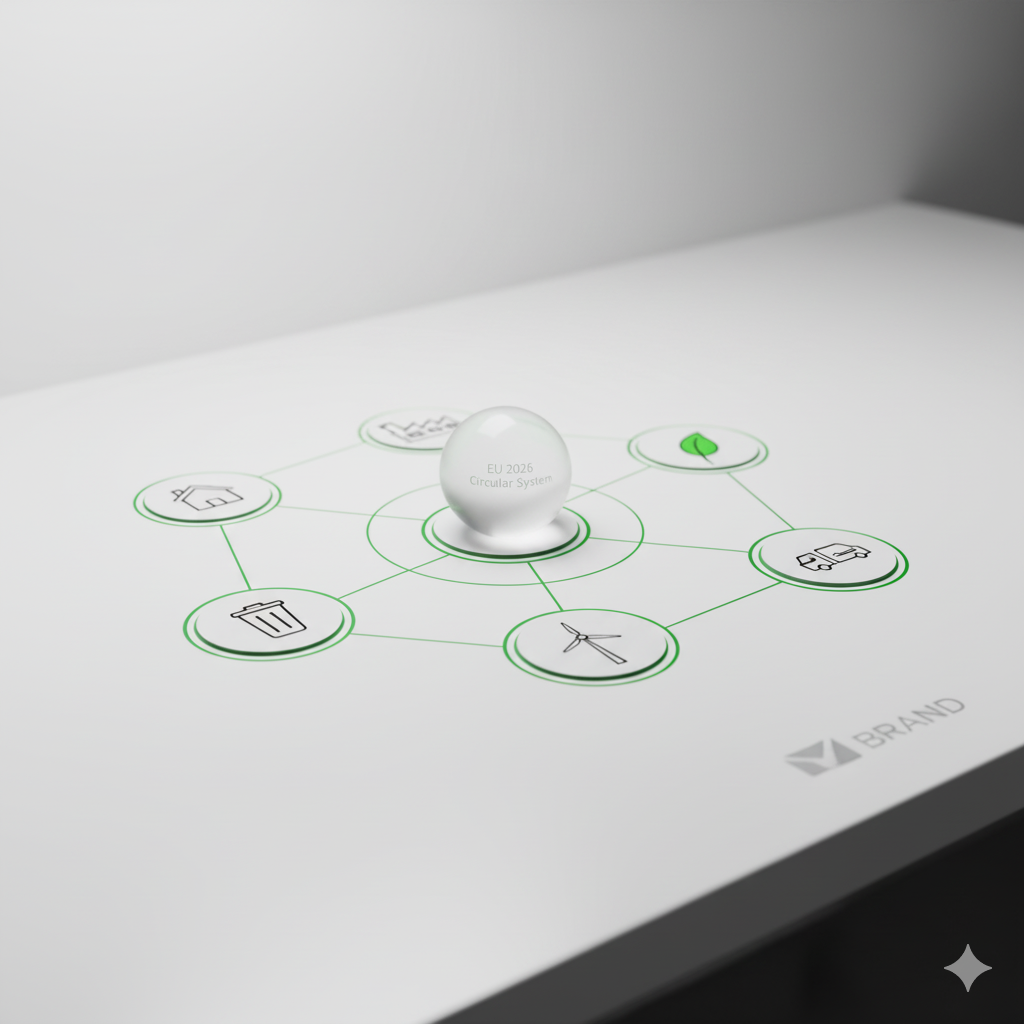
Most circular strategies map to five reinforcing loops: Design, Reuse, Repair, Recycle, and Regenerate. You don’t need them all at once. Pick one loop to start, then connect more over time.
| Loop | What it means | First move to try |
|---|---|---|
| Design | Make products easy to maintain and recover | Switch to modular parts or mono-materials |
| Reuse | One asset serves many users | Launch a return/refill experience |
| Repair | Fix before replace | Provide parts, guides, and turnaround slots |
| Recycle | Recover clean materials | Improve sorting and contamination checks |
| Regenerate | Support natural systems | Use renewable/biobased inputs where they fit |
Business roadmap (90–360 days)
Work in short, evidence-based cycles. Pilot one product in one channel, then scale what works. Keep your documentation simple so anyone can follow the changes.
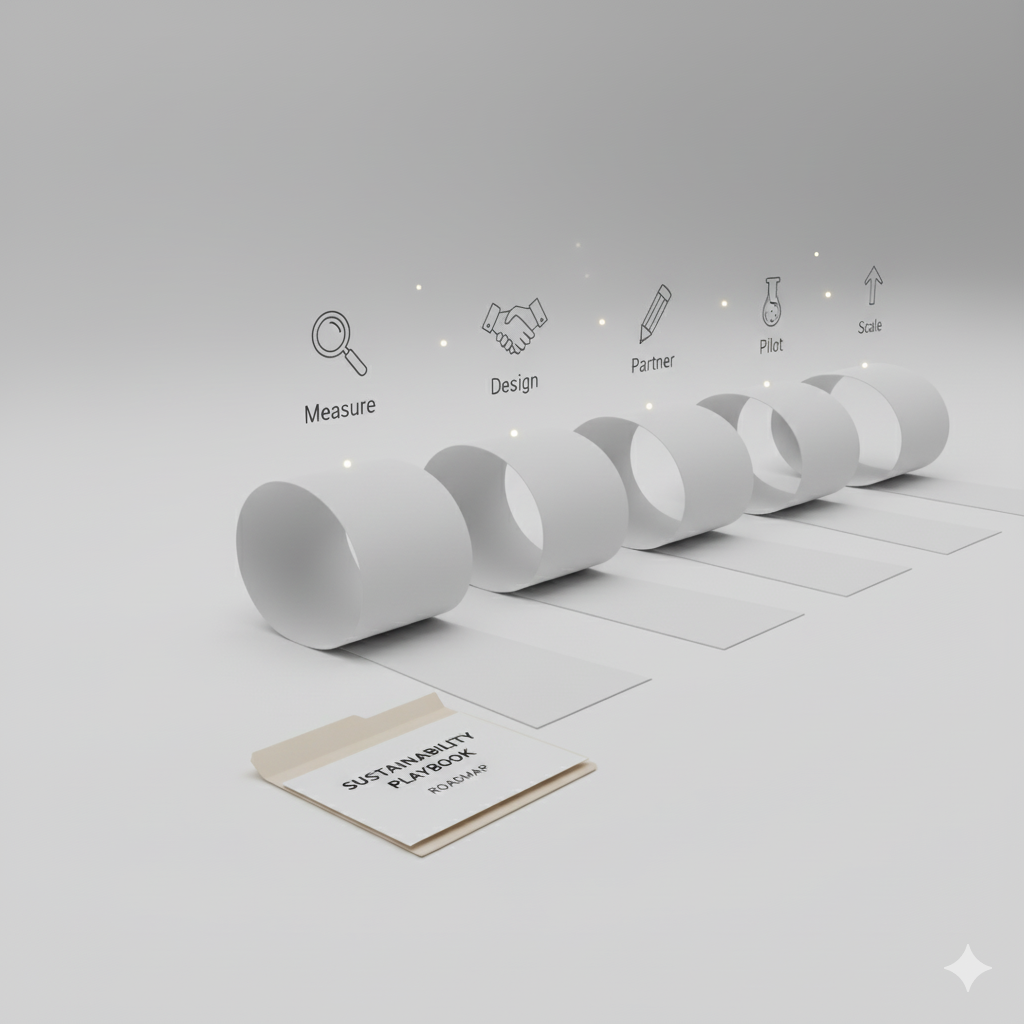
- Measure: Map the materials and where waste occurs.
- Redesign: Choose one item to make modular, durable, or easier to recover.
- Partner: Line up cleaning, repair, or take-back support.
- Pilot: Launch in a single channel with a clear return experience.
- Scale: Expand to more SKUs and locations after the pilot works.
| Team/Partner | Responsibility | What success looks like |
|---|---|---|
| Design | Make it repairable and recoverable | Clear specs, fewer failure points |
| Operations | Plan returns/cleaning logistics | Smooth turnaround, low losses |
| Customer support | Explain how returns/repair work | Easy steps, positive feedback |
| Partners | Repair, clean, sort, recycle | Consistent quality and handoffs |
Challenges & solutions (myths to action)
Barriers are real — but most can be redesigned away. Treat each “myth” as a design problem with a practical counter-move.
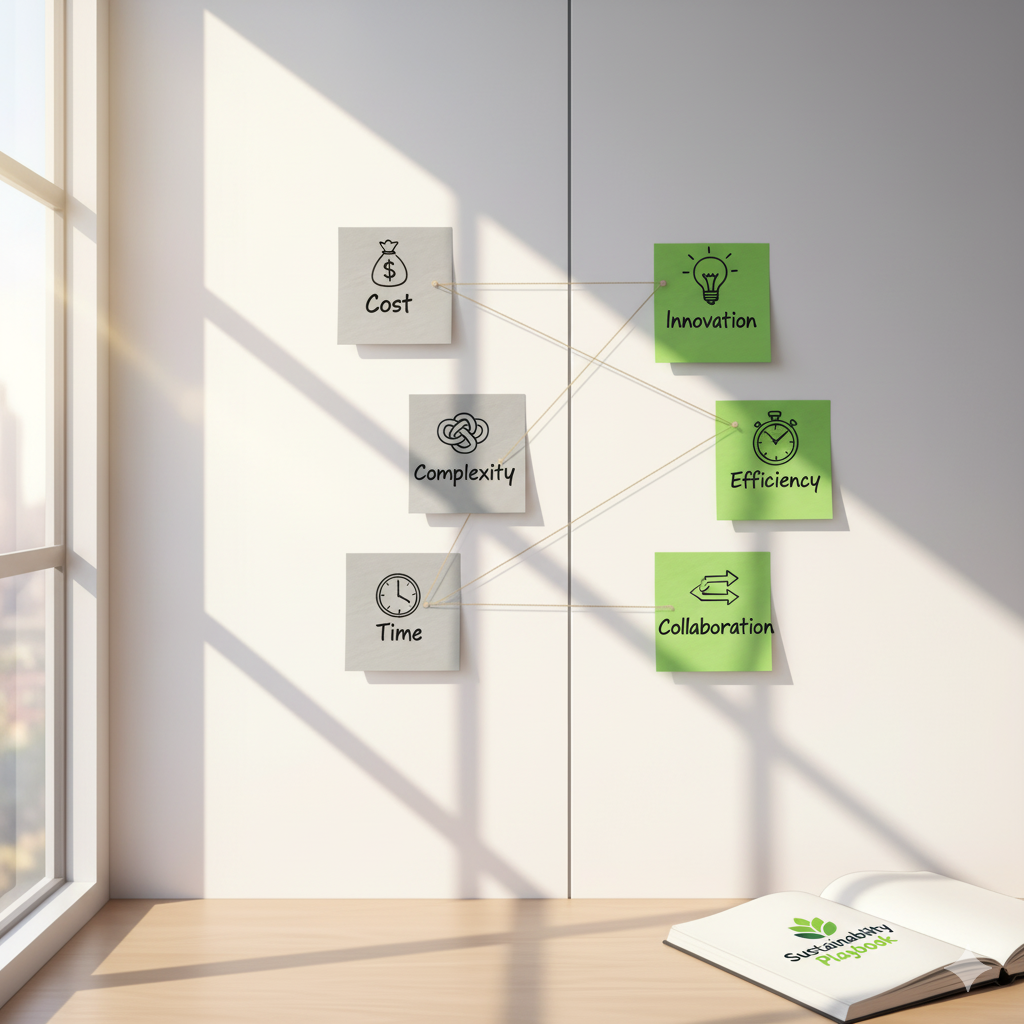
| Common barrier | What helps | First move |
|---|---|---|
| “Too complex” | Limit scope | Pilot one item in one channel |
| “Customers won’t return” | Convenience | Clear drop-off and incentives |
| “Repair is slow” | Modularity & guides | Publish simple how-to and parts |
| “Recycling is enough” | Value hierarchy | Design for reuse and repair first |
Knowledge & collaboration
Progress accelerates when teams share repair guides, design rules, and handoff checklists. Keep instructions short and searchable so frontline teams can use them.

- Make guides public inside your company: one page, one task, one owner.
- Document handoffs: who receives, checks, and approves each step.
- Version control: date-stamp changes so people can trust what they read.
Transparency & trust
People believe what they can verify. Keep a simple, auditable trail of what you changed: design decisions, materials, vendors, and how returns or repairs work.
| Area | What to publish | Why it helps |
|---|---|---|
| Design | What changed and why | Builds credibility |
| Materials | What you can verify | Enables comparison |
| Process | How returns/repair work | Improves participation |
| Review | When you’ll update next | Keeps it current |
Future outlook (to 2030)
As better product design, repair access, and return logistics become normal, circular services feel like good customer service: simple, fast, reliable. The earlier you learn, the easier it is to scale.

FAQs
Is circular economy the same as recycling? ▾
No. Recycling is one loop. Circular thinking prioritises reuse and repair first, then recycling for materials that can’t stay in service.
Where should a small business start? ▾
Pick one product or package. Redesign for durability and recovery. Partner for returns or repair. Pilot in one channel, then scale.
What if customers don’t return items? ▾
Design the return experience: clear drop-off points, reminders, and simple incentives. Convenience drives participation.
Does circular always reduce environmental impact? ▾
Often, yes — longer lifetimes and fewer virgin inputs generally help. Check like-for-like comparisons for your specific case.
How do we maintain trust while we learn? ▾
Publish what changed, how returns or repair work, and when you’ll review again. Keep it clear and easy to verify.
Conclusion
Circularity is a design choice and a service mindset. When products are easier to reuse, repair, and recover, value stays in your system and waste declines. Start small, learn fast, and document what you change — that’s how circular practices become everyday business.