
OECD Guidelines for Multinational Enterprises: A Practical Implementation Guide for 2025
The OECD Guidelines for Multinational Enterprises provide a comprehensive framework for responsible business conduct. This guide explains how businesses can implement these guidelines effectively to ensure sustainability, prevent greenwashing, and meet stakeholder expectations in 2025.
What Are the OECD Guidelines for Multinational Enterprises?
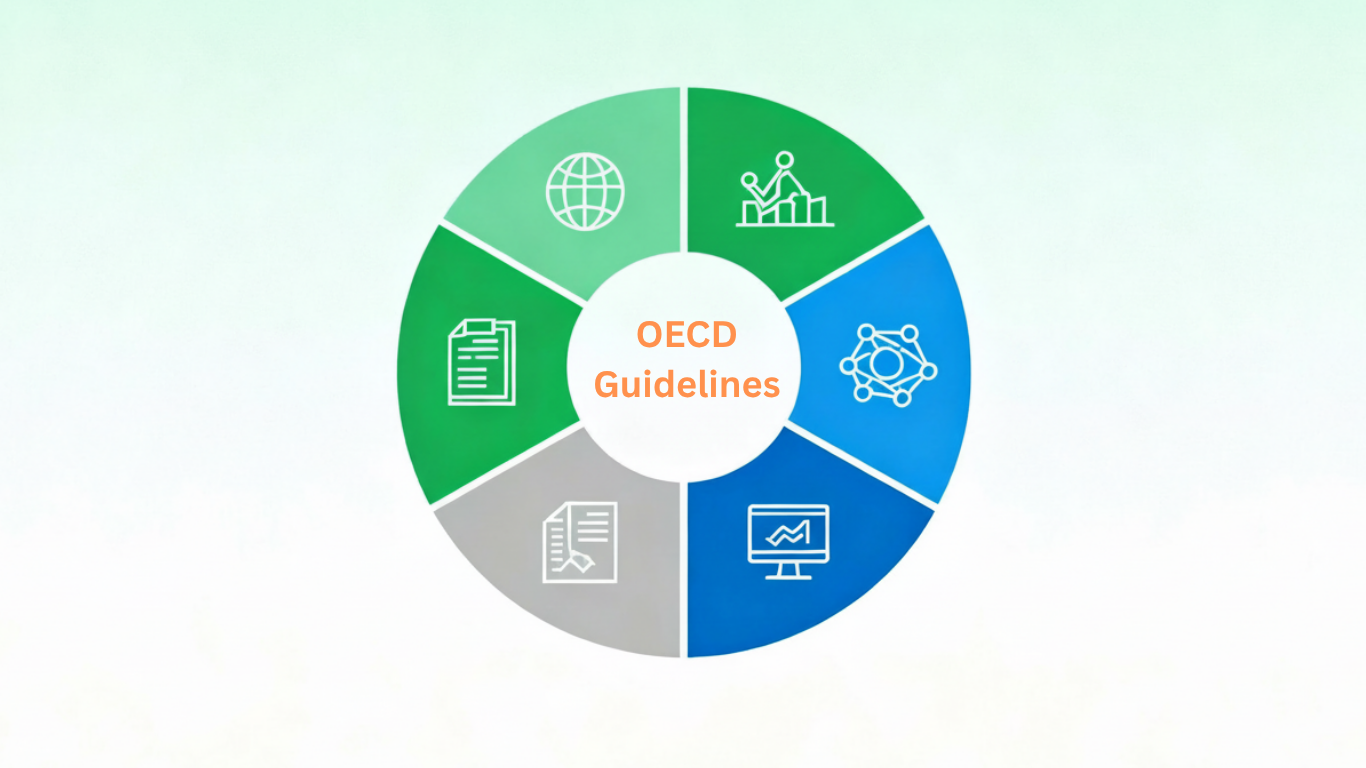
The OECD Guidelines for Multinational Enterprises on Responsible Business Conduct are government-backed recommendations that help companies operate responsibly and sustainably. Adopted in 1976 and updated in 2023, these guidelines represent commitments from 52 adhering countries to promote ethical business practices globally.
These guidelines cover key areas including human rights, labor standards, environmental protection, anti-corruption measures, consumer interests, disclosure practices, and competition. The framework aligns with GRI Standards, SASB standards, and TCFD guidelines to provide comprehensive sustainability reporting guidance.
Why Are the OECD Guidelines Important for Businesses?
The OECD Guidelines help businesses build trust with stakeholders including investors, employees, communities, and regulators. By following these standards, companies demonstrate their commitment to ethical operations and sustainable development.
Key benefits include enhanced reputation, reduced regulatory risks, improved access to capital, and stronger stakeholder relationships. The guidelines also help companies identify and address adverse impacts before they become major issues.
Materiality Insight: For investors, OECD compliance signals strong governance and risk management. For employees, it demonstrates fair labor practices. For communities, it shows environmental responsibility and social commitment.
The Six-Step OECD Due Diligence Framework
The OECD Guidelines include a six-step due diligence process that helps businesses identify, prevent, and address actual and potential adverse impacts. This framework is central to responsible business conduct and aligns with the UN Guiding Principles on Business and Human Rights.
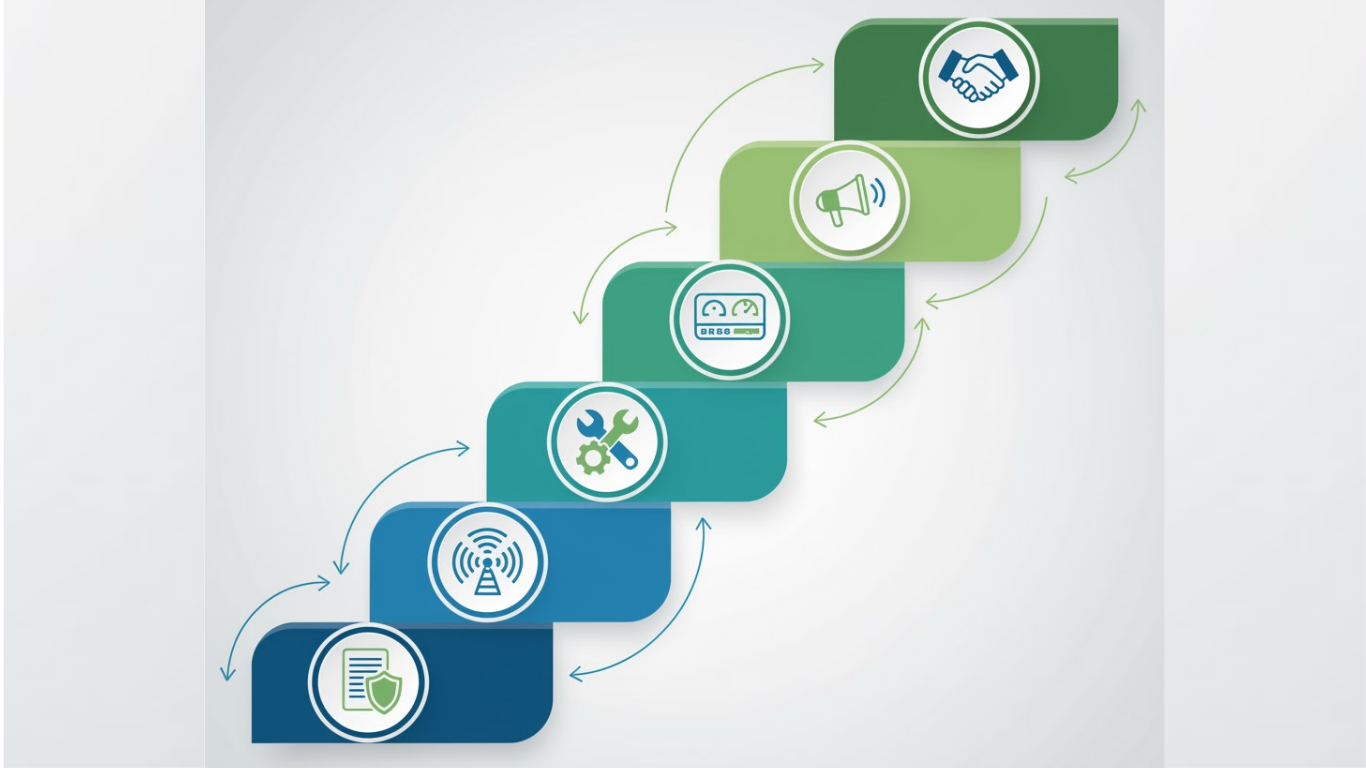
Step 1: Embed Responsible Business Conduct
Companies must integrate responsible business conduct into their policies, management systems, and corporate culture. This includes developing a clear policy commitment, assigning responsibilities, and providing necessary resources and training.
Step 2: Identify and Assess Risks
Businesses should conduct comprehensive risk assessments to identify actual and potential adverse impacts across their operations, supply chains, and business relationships. This process should consider all relevant areas covered by the Guidelines.
Step 3: Cease, Prevent, or Mitigate Impacts
Once risks are identified, companies must take appropriate action. This means stopping harmful activities, preventing potential impacts, and mitigating unavoidable adverse effects through corrective action plans.
Step 4: Track Implementation and Results
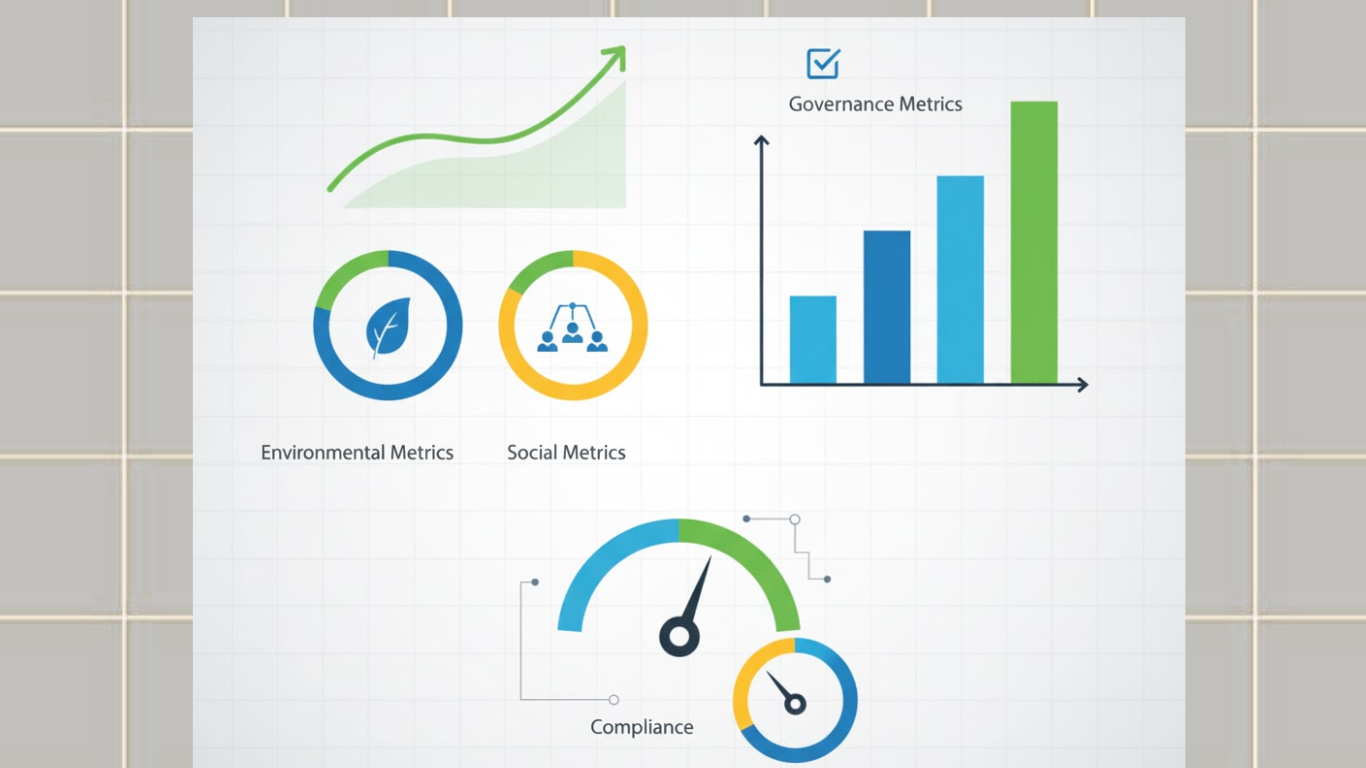
Companies need robust monitoring systems to track the effectiveness of their due diligence efforts. This includes setting performance indicators, conducting regular audits, and adjusting strategies based on results.
Step 5: Communicate Performance
Transparent communication about due diligence processes and outcomes is essential. Companies should provide regular updates to stakeholders through sustainability reports aligned with GRI Standards and other recognized frameworks.
Step 6: Provide for Remediation
When companies cause or contribute to adverse impacts, they must provide for or cooperate in remediation through legitimate grievance mechanisms. This demonstrates accountability and commitment to stakeholder welfare.
Stakeholder Engagement in Responsible Business Conduct
Meaningful stakeholder engagement is fundamental to implementing the OECD Guidelines effectively. Companies must engage with diverse stakeholder groups including employees, local communities, investors, customers, suppliers, and civil society organizations.
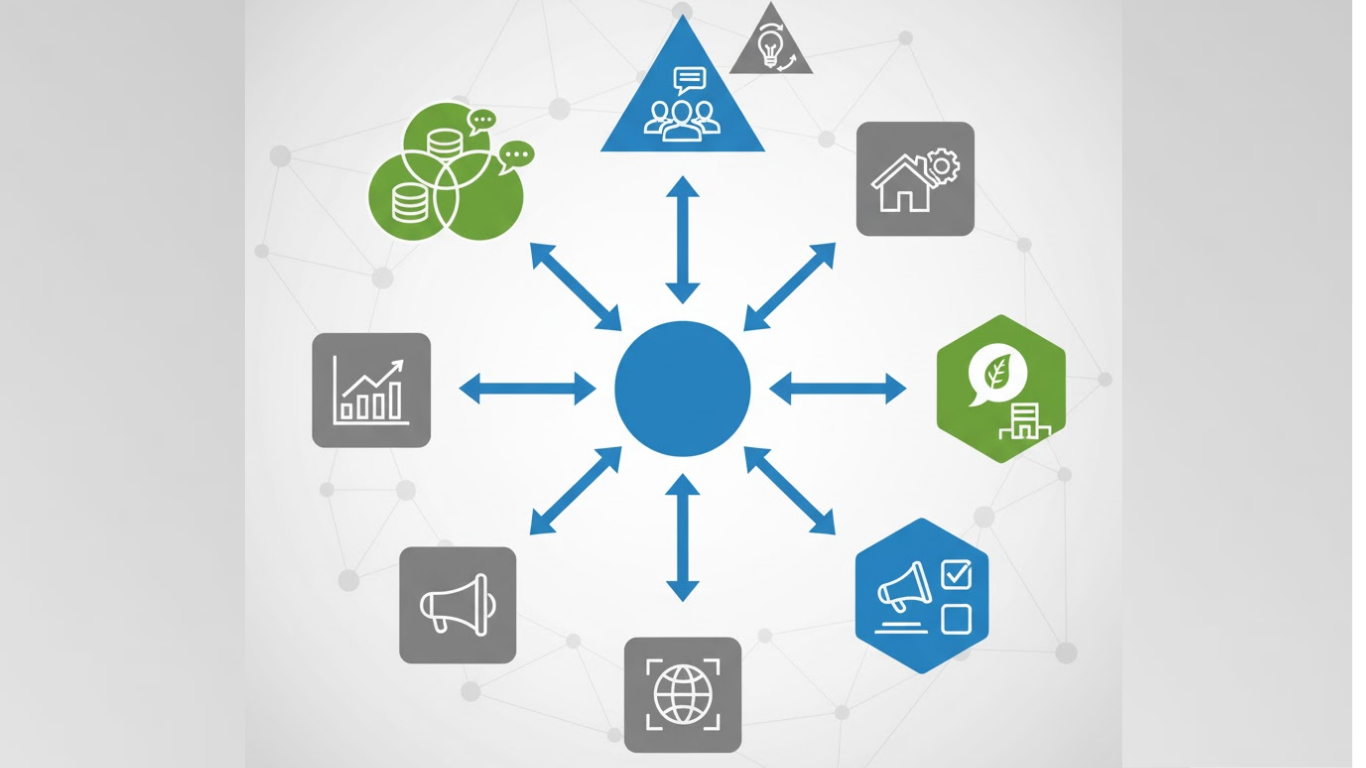
Effective engagement involves listening to stakeholder concerns, incorporating their perspectives into decision-making, and providing feedback on how their input influenced company actions. This two-way dialogue builds trust and ensures that due diligence addresses the most material issues.
Stakeholder Perspective: Different stakeholder groups prioritize different ESG issues. Investors focus on governance and climate risks (TCFD). Employees emphasize labor rights and diversity (GRI 400 series). Communities care about environmental impacts and local development (SASB materiality).
Supply Chain Risk Assessment and OECD Compliance
Supply chain due diligence is one of the most challenging aspects of OECD Guidelines implementation. Companies are expected to conduct risk-based due diligence throughout their supply chains, prioritizing the most severe risks and salient issues.
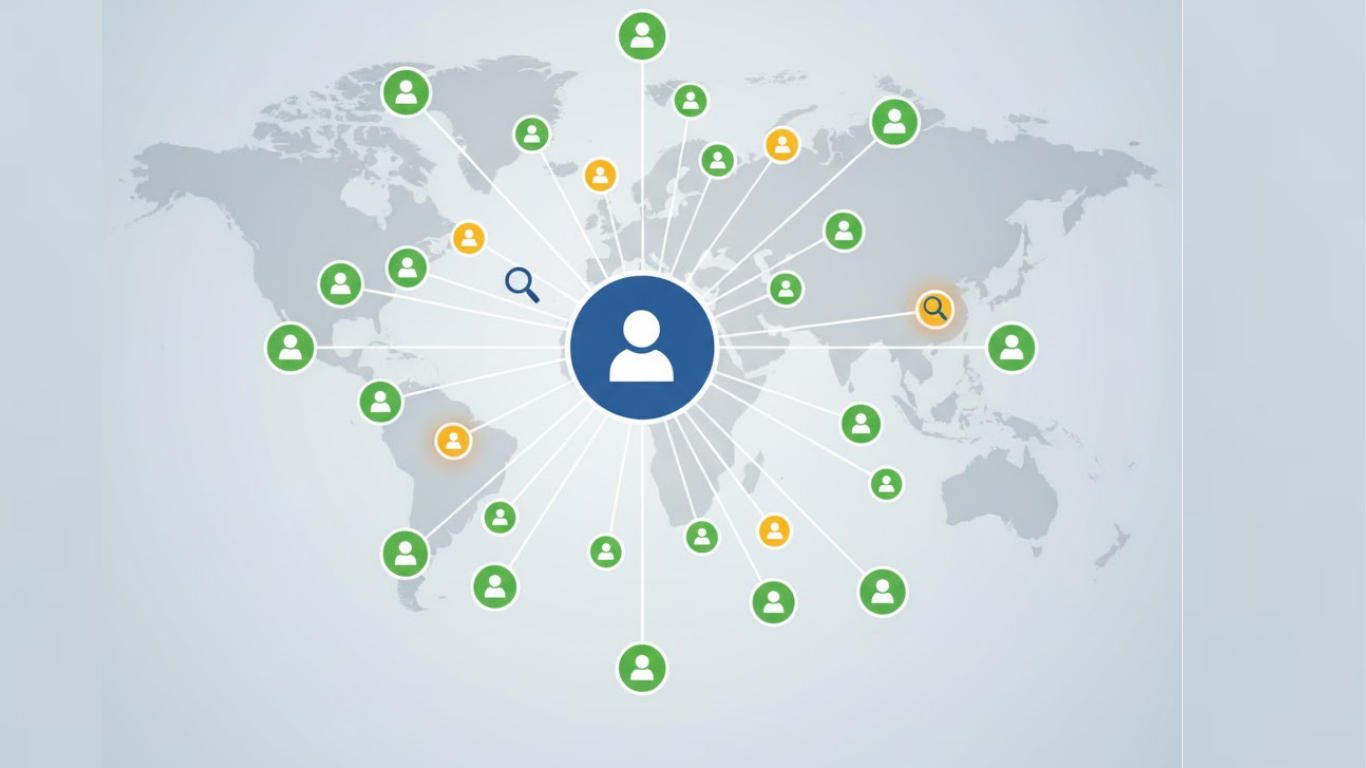
Best practices include mapping supply chains to understand exposure, conducting supplier assessments, setting clear expectations through codes of conduct, providing capacity building support, and collaborating with industry peers on common challenges.
Companies should leverage technology solutions for supply chain transparency while recognizing that due diligence is a continuous process of improvement rather than a one-time certification exercise.
Preventing Greenwashing Through OECD Due Diligence
The OECD Guidelines provide a robust framework for preventing greenwashing by requiring evidence-based sustainability claims. Companies must ensure that their environmental and social communications are accurate, substantiated, and not misleading.
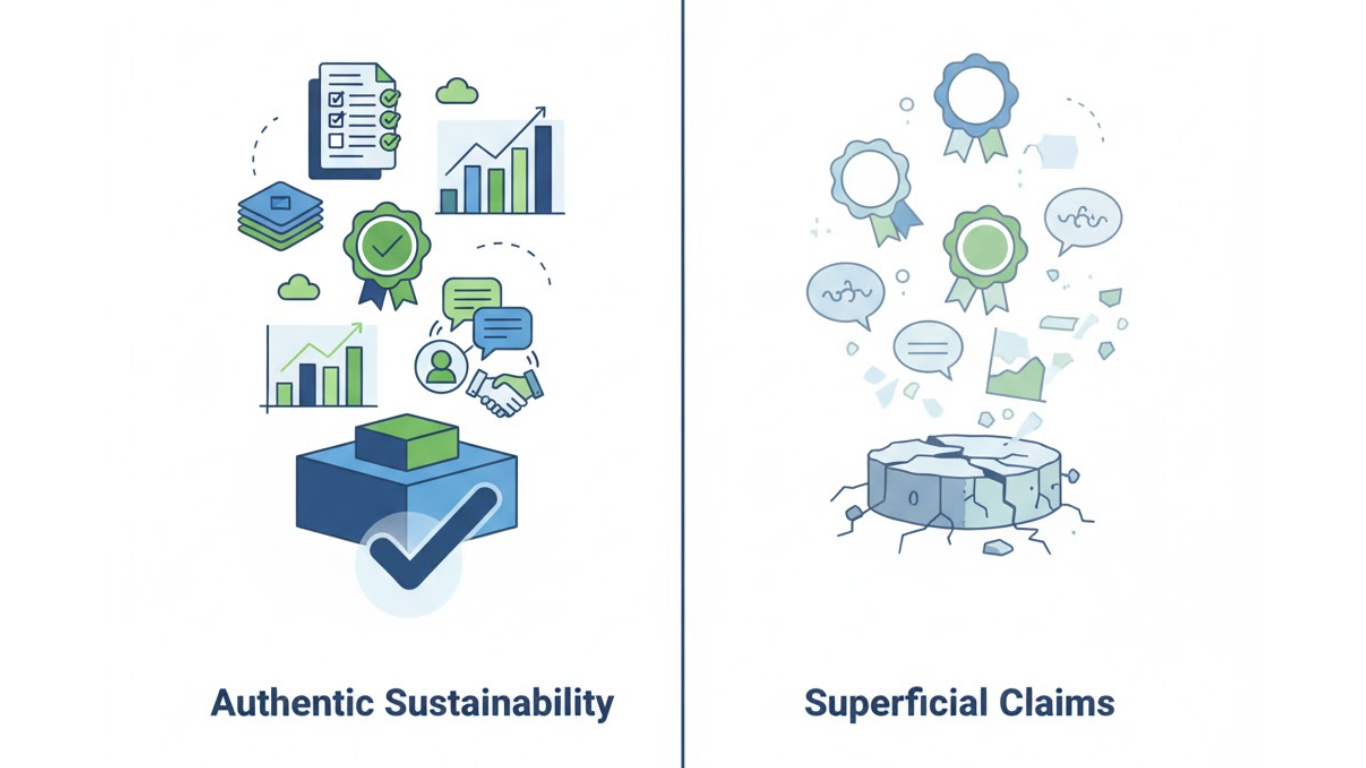
Key anti-greenwashing practices include providing specific data and metrics, disclosing methodologies and limitations, avoiding vague terminology, obtaining third-party verification, and aligning claims with recognized standards like GRI, SASB, and TCFD.
Greenwashing Alert: Common red flags include selective disclosure, lack of verifiable data, focus on minor positive impacts while ignoring significant negative ones, and using sustainability buzzwords without substantive action. The EU Green Claims Directive and CSRD now require substantiation.
SME Implementation: A Scalable Approach
Small and medium-sized enterprises can implement OECD Guidelines through a proportionate, risk-based approach. The key is to start with the most significant impacts and build capacity progressively.
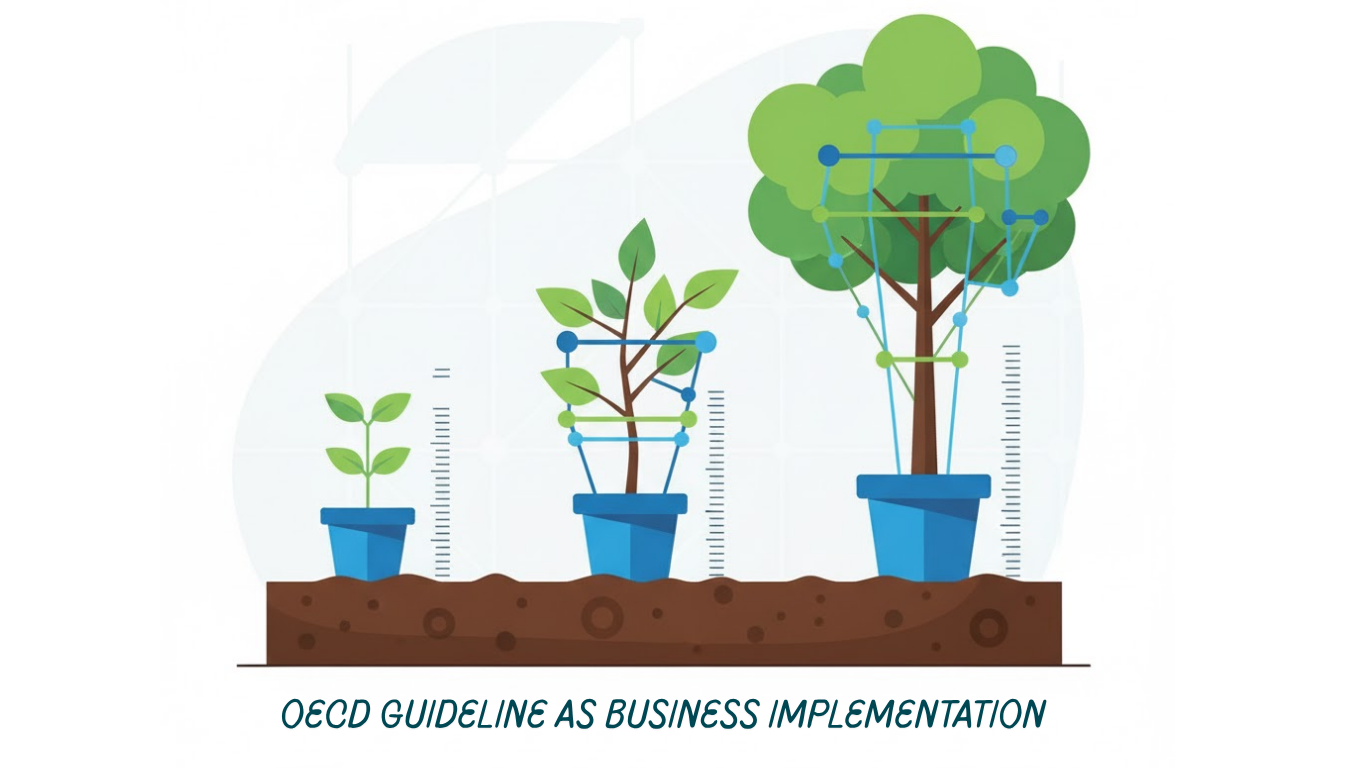
SMEs can leverage industry associations, collaborative initiatives, and simplified tools designed for smaller organizations. They should focus on their direct operations first, then extend due diligence to key suppliers as resources allow.
Practical tip: Start with a simple risk assessment, identify your top three material issues, develop basic policies, and implement monitoring systems. Use free resources from OECD and industry bodies to guide your efforts.
Aligning OECD Guidelines with GRI, SASB, and TCFD
The OECD Guidelines complement major sustainability reporting frameworks. GRI Standards provide comprehensive disclosure topics that align with OECD areas. SASB standards offer industry-specific materiality guidance. TCFD focuses on climate-related financial risks.
Companies can create an integrated approach by using OECD Guidelines for due diligence processes, GRI for broad stakeholder reporting, SASB for investor-focused disclosures, and TCFD for climate governance. This multi-framework approach ensures comprehensive coverage while meeting diverse stakeholder needs.
Framework Integration: OECD provides the due diligence process. GRI specifies what to report (Universal Standards + Topic Standards). SASB identifies which issues are financially material by industry. TCFD structures climate risk governance and disclosure.
Frequently Asked Questions About OECD Guidelines
What are the OECD Guidelines for Multinational Enterprises?
The OECD Guidelines for Multinational Enterprises are government-backed recommendations for responsible business conduct. They cover human rights, labor, environment, anti-corruption, consumer interests, disclosure, and competition. Updated in 2023, they represent commitments from 52 adhering countries.
Who must comply with the OECD Guidelines?
While the Guidelines are voluntary recommendations, they apply to all multinational enterprises operating in or from adhering countries. Increasingly, regulatory frameworks like the EU Corporate Sustainability Due Diligence Directive incorporate OECD principles, making compliance legally required for many companies.
How do OECD Guidelines differ from GRI Standards?
OECD Guidelines focus on the due diligence process for identifying and addressing impacts. GRI Standards specify what sustainability information to report and how to report it. The frameworks are complementary—OECD guides the management system while GRI structures the disclosure.
What is risk-based due diligence under the OECD Guidelines?
Risk-based due diligence means prioritizing efforts based on the severity and likelihood of adverse impacts. Companies should focus resources on the most significant risks to people and the environment rather than treating all risks equally.
How can companies prevent greenwashing while implementing OECD Guidelines?
Companies prevent greenwashing by providing specific, verifiable data, disclosing methodologies and limitations, avoiding vague claims, obtaining third-party assurance, and aligning communications with recognized frameworks like GRI and SASB. Transparency about both positive actions and ongoing challenges is essential.
What are the six steps of OECD due diligence?
The six steps are: (1) Embed responsible business conduct in policies and management systems, (2) Identify and assess adverse impacts, (3) Cease, prevent, or mitigate impacts, (4) Track implementation and results, (5) Communicate performance, and (6) Provide for or cooperate in remediation when appropriate.
How do SMEs implement OECD Guidelines with limited resources?
SMEs should apply proportionality, focusing on their most significant impacts first. They can use simplified tools, collaborate through industry associations, leverage free resources from OECD, and implement due diligence progressively. Starting with direct operations before extending to supply chains is a practical approach.
What is the role of stakeholder engagement in OECD implementation?
Stakeholder engagement helps companies identify risks they might otherwise miss, understand the severity of impacts from affected parties' perspectives, and develop more effective mitigation strategies. It should be ongoing, meaningful, and responsive rather than one-way communication.
How do OECD Guidelines relate to TCFD climate disclosures?
OECD Guidelines include environmental due diligence that covers climate change as a key issue. TCFD provides the specific disclosure framework for climate-related risks and opportunities. Companies can use OECD's due diligence process to identify climate impacts and TCFD's structure to report them to investors.
What happens if a company violates the OECD Guidelines?
Violations can be raised through National Contact Points (NCPs), which facilitate dialogue and mediation. While the Guidelines themselves are voluntary, non-compliance can lead to reputational damage, regulatory scrutiny, investor concerns, and potential legal consequences under related mandatory regulations.
In Nutshell
Implementing the OECD Guidelines for Multinational Enterprises requires commitment, resources, and continuous improvement. Companies that embrace these principles position themselves as responsible business leaders, building trust with stakeholders and creating long-term sustainable value.
By integrating OECD due diligence with GRI reporting, SASB materiality assessment, and TCFD climate disclosure, businesses can create a comprehensive sustainability management system that meets evolving regulatory requirements and stakeholder expectations in 2025 and beyond.