
Greenwashing Explained: How EU Regulations Are Changing Everything
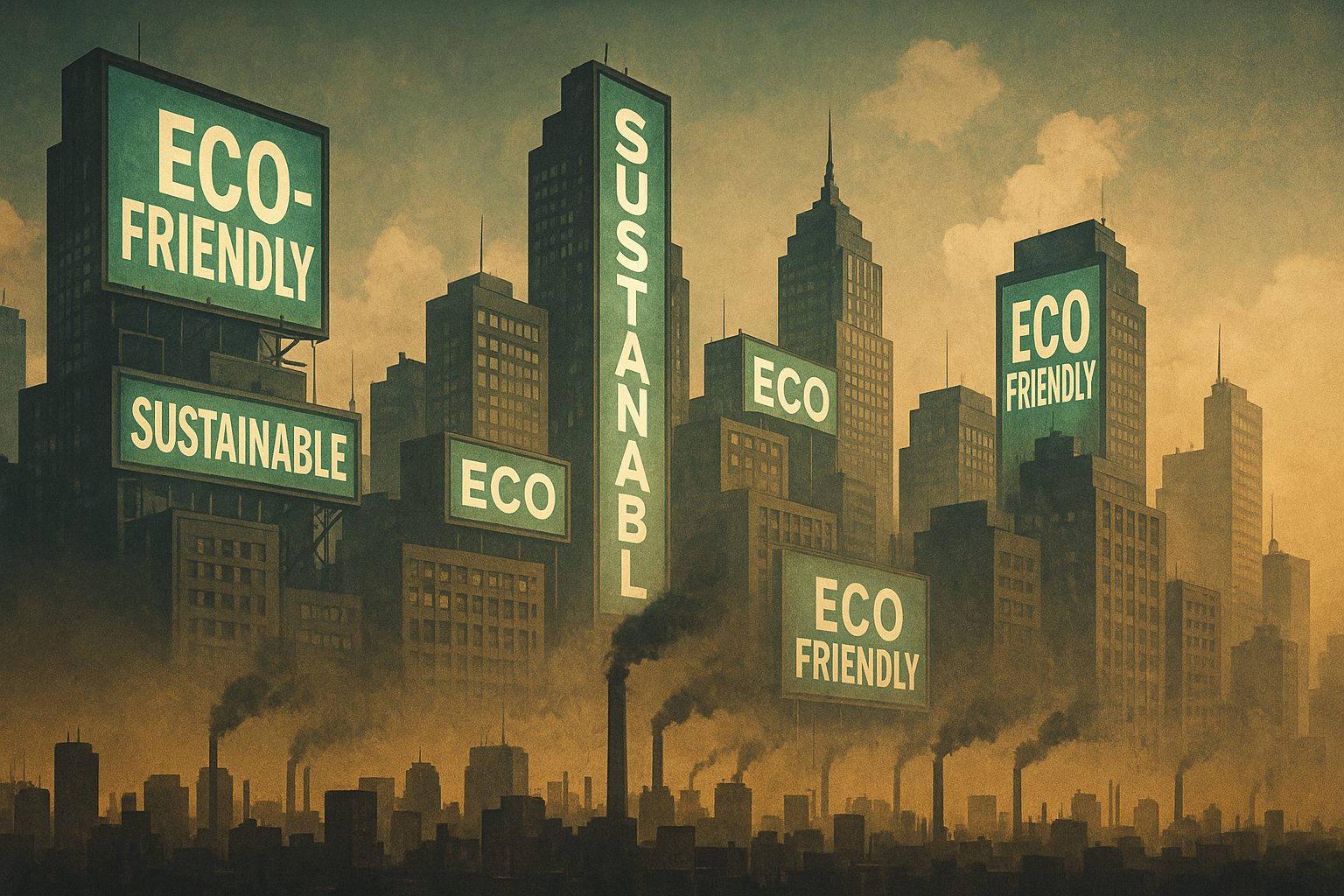
If every label that whispered “planet-friendly” truly was, we’d be living in climate utopia. This guide cuts through the noise: what greenwashing is, how to identify greenwashing, and how Europe’s new anti-greenwashing regulations are changing incentives for SMEs and global brands.
What is greenwashing?
Greenwashing is when a company markets products, services, or policies as more environmentally friendly than they really are. It’s a form of environmental marketing deception. Sometimes it’s deliberate, sometimes just careless — but it always misleads decision-makers while authentic sustainability efforts are ignored.
Greenwashing vs Green Marketing: What’s the difference?
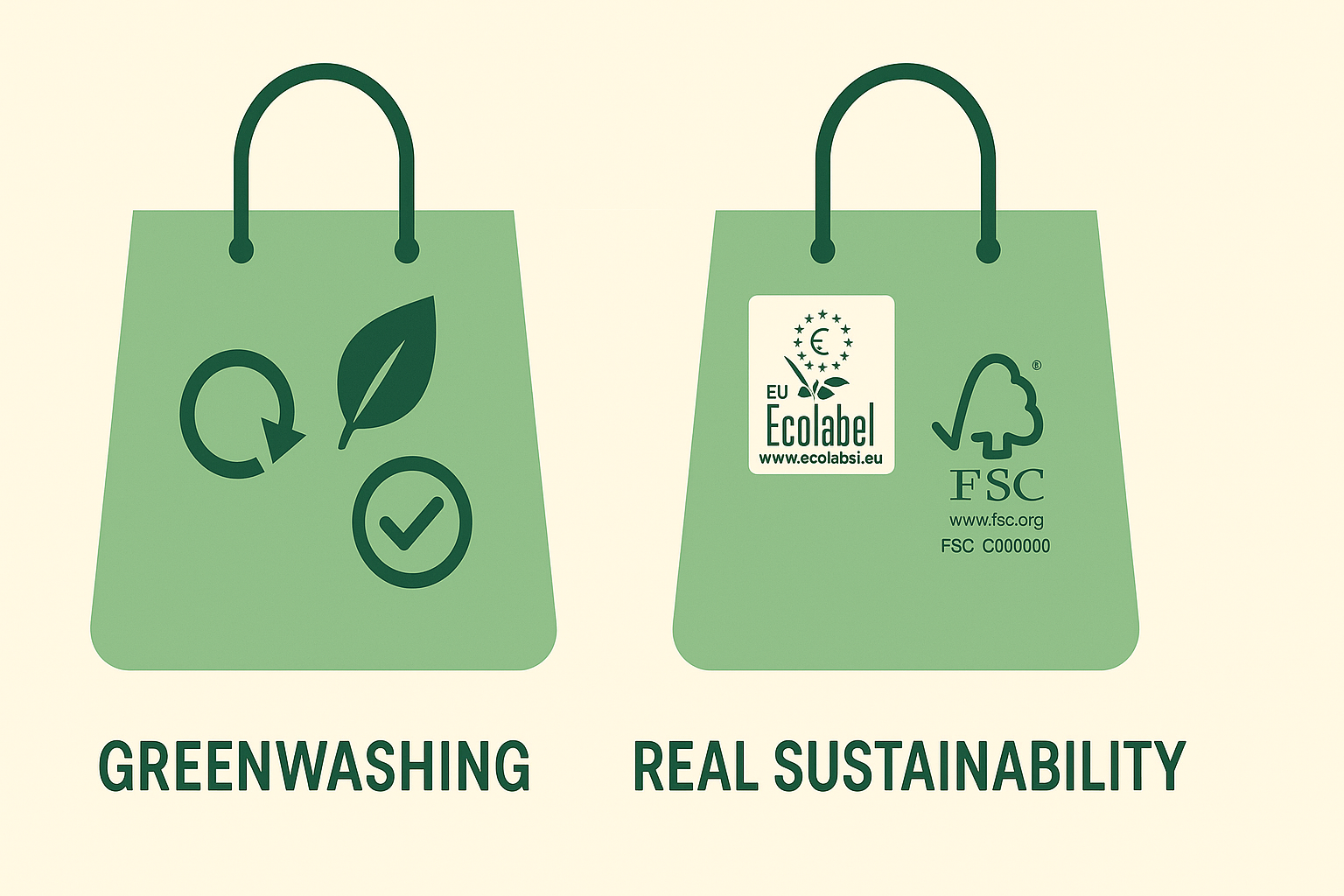
Green marketing means using verified, scoped, and measurable environmental claims. Greenwashing relies on vague or exaggerated statements. Here’s how they differ:
| Greenwashing | Green Marketing |
|---|---|
| “Eco” or “planet-safe” with no proof | 95% recycled paper, FSC-certified |
| Cherry-picked data | Full lifecycle transparency |
| Homemade icons | Official certifications |
| No verification | Third-party audits |
How can I identify greenwashing?
- Generic words like “green,” “clean,” or “eco” without proof.
- “Carbon neutral” claims with no reduction data.
- Fake eco-seals or irrelevant icons.
- Overly emotional nature imagery with no numbers.
Quick check: Ask for the data, boundaries, verification method, and timeline for results.
What regulations exist to prevent greenwashing?
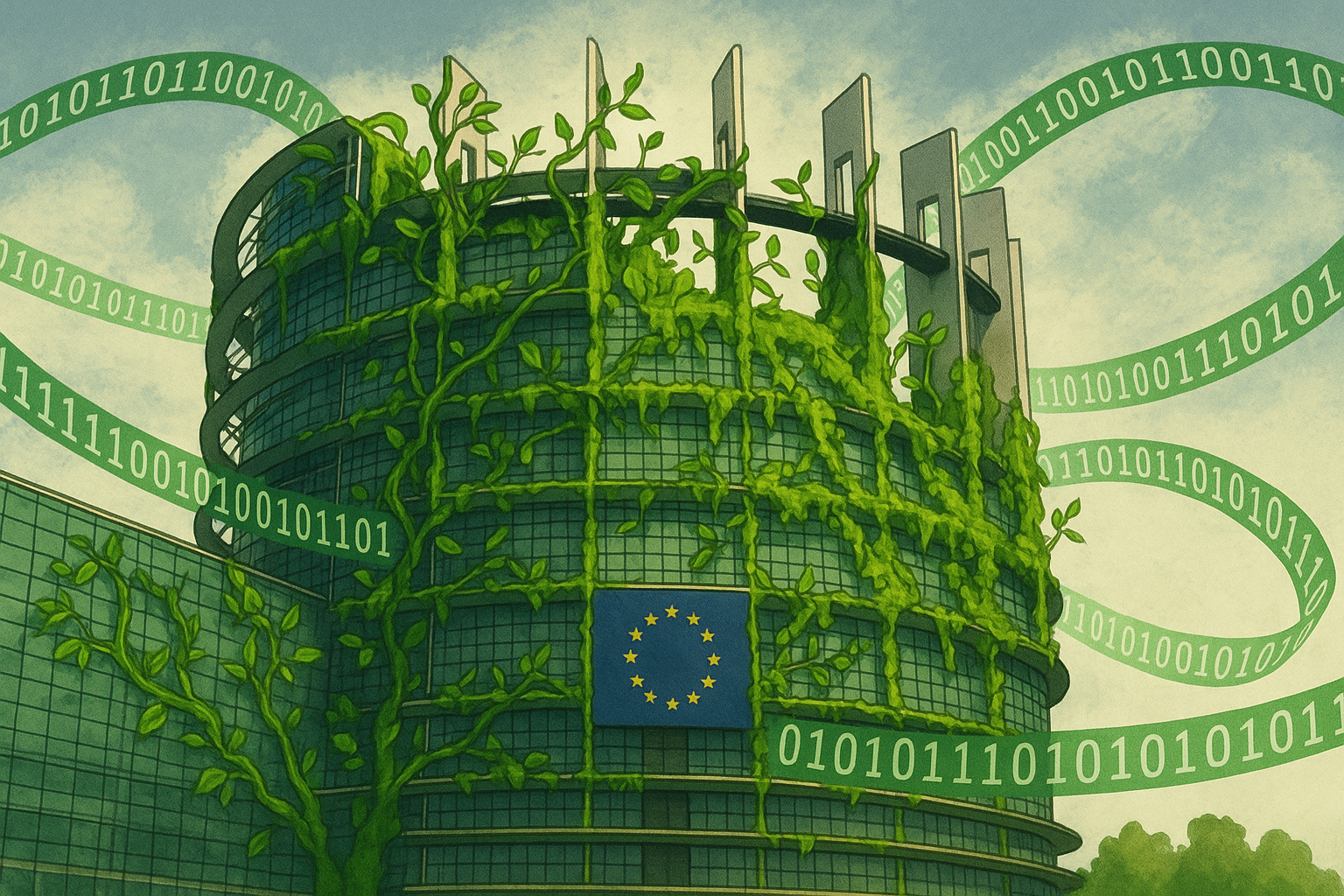
The EU’s Green Claims Directive (2025) requires companies to prove environmental statements with recognized methods, full documentation, and third-party checks. Vague or unverified “eco” messaging will face legal action and consumer fines.
The Seven Sins of Greenwashing
- Vagueness — empty terms with no metrics.
- No Proof — claims without evidence.
- Irrelevance — true but meaningless facts.
- Hidden Trade-off — focusing on one small positive aspect.
- Lesser of Two Evils — “better” inside a bad category.
- Fibbing — outright lies.
- Worshiping False Labels — fake or private certifications.
Which certifications can you trust?
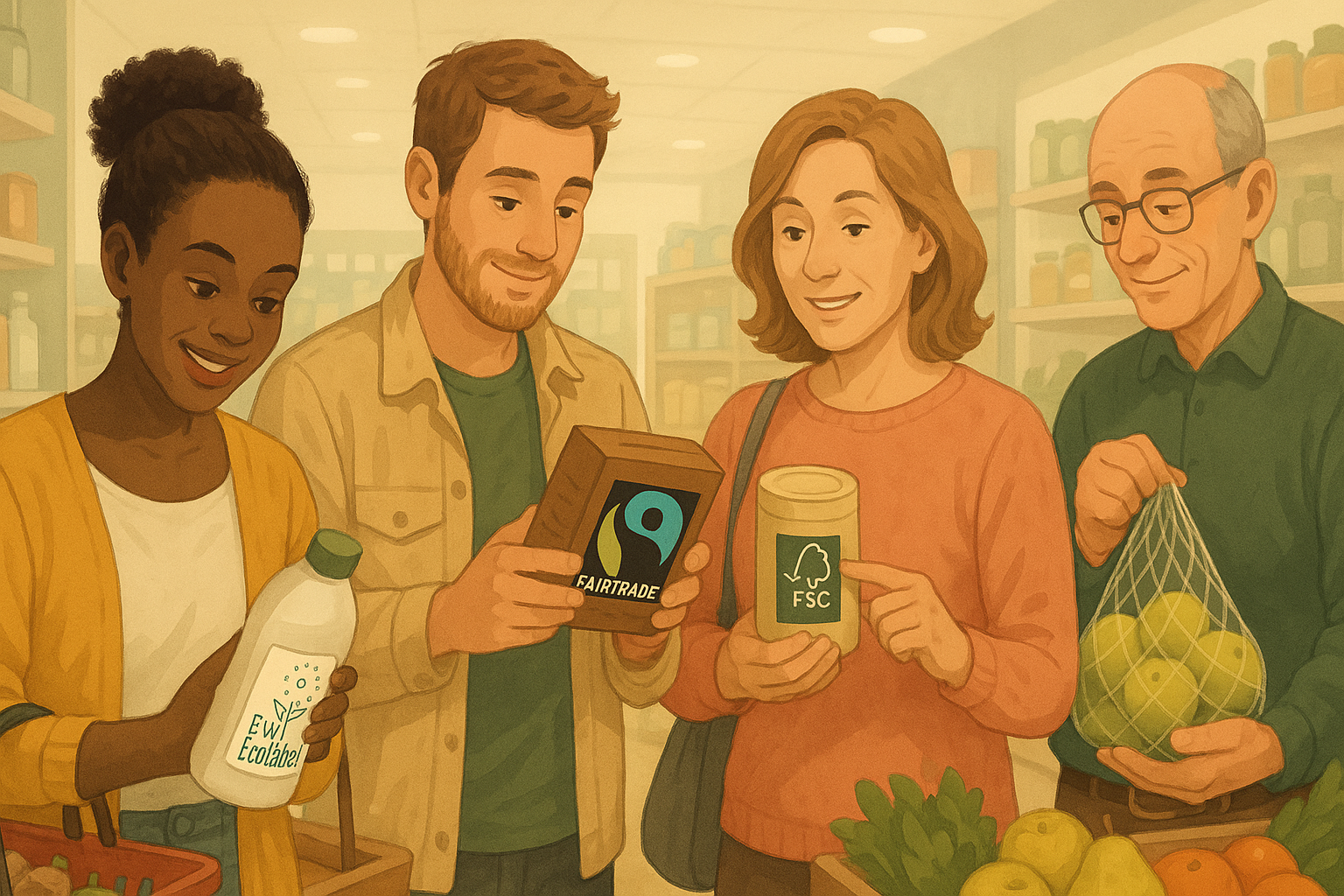
Look for EU Ecolabel, FSC, and Fairtrade certifications. These have transparent criteria, independent audits, and public databases for verification. Always check what product area or process the label covers.
What are the consequences of greenwashing?
- Legal exposure: fines and forced corrections under EU regulations.
- Commercial loss: contracts lost or partnerships cancelled.
- Reputational damage: long-term loss of trust from consumers and media.
With new EU laws and greater consumer literacy, misleading environmental claims are a liability—not a shortcut.
Conclusion: From claims to credibility
Greenwashing may grab attention, but only verified impact earns trust. Be transparent, share your data, and keep improving — that’s what sustainability in 2025 really means.